
If you are wondering what to expect in your first 30 days at Wealthy Affiliate, the honest answer is that the month is quieter and smaller than your imagination makes it. Before joining, most people picture a flood of unfamiliar terms, a steep climb, and everyone else already ahead. What actually fills the days is a short list of small actions, done one at a time.
This walk through the month sets each stretch of days beside what an anxious mind says is happening. Your own pace will differ, so treat the day ranges as a rough shape and not a schedule you can fail.
Day 1: the feeling of having joined something you do not understand yet
On Day 1 the anxious mind says: you have made a mistake, because you do not know what any of this is. You open the platform, see menus and options you cannot name, and conclude everyone else understood it on arrival.
What you are actually doing is looking around. That is the whole job on Day 1. You are not expected to understand the platform, only to find where things are and to start the Guided Path, which exists so you do not have to decide what to do first.
Confusion on the first day is information about timing, not about you. You have been inside for an hour, and nobody understands a new place after an hour. A person who has just moved house cannot find the spoons either.

Open your Hub, read what is in front of you, and do the first thing the Guided Path offers. If that is all you manage, Day 1 is complete. If you want a plainer look at what the Path does in these early weeks, this review of the Guided Path for beginners goes through it.
Days 2 to 5: small tasks, and why they are meant to feel small
The anxious mind now says: these tasks are too easy, so nothing here can be building a real business. You finish something in a few minutes and wonder whether you are missing the hard part.
You are not missing it. Small tasks are small on purpose. Your Hub’s gameplan holds tasks, and each one is sized so that you can finish it on an ordinary tired weekday. A task you can finish builds a habit of finishing, and that habit matters more at this stage than any single piece of knowledge.
The early tasks also lay groundwork you cannot see yet. Choosing a direction, understanding who you are writing for, and getting familiar with the tools are all unglamorous, and all of them get used later.
Two things help in these days:
- Work in the same short window each day, even twenty minutes, so that opening the platform stops being a decision.
- When a task is done, close it and stop. Do not reopen it to polish it. Finished and imperfect beats perfect and unfinished.
If you later find your routine slipping, why most routines die on Day 15 is worth reading in advance, because it describes the problem before you meet it.
Days 6 to 10: when the questions arrive and who to ask
The anxious mind says: everyone else has this figured out, and asking will show that you do not. Around now you start meeting real questions. What is the difference between these two things? Why did my page look different from the example? Should I pick this niche or that one?
Having questions at this point means you are paying attention. Someone who has no questions is usually not doing anything yet.
You have more than one place to take them. Inside a Focus, the Ask moves let you put a question to the material directly. Live, which sits inside Learn, gives you classes you can attend or watch as recordings. And the community holds people who were exactly where you are not long ago and remember it.
The one habit that matters is asking a question people can answer. Say what you were doing, what you expected, and what happened instead. A specific question gets a specific answer, often the same day. There is a full guide to this in how to ask for help in the Wealthy Affiliate community.
Do not wait until you feel sure the question is a good one. A question you sit on for three days costs you three days.
Days 11 to 15: the quiet stretch where nothing seems to show
This is the stretch where motivation dips, and the anxious mind is at its loudest: it has been two weeks, and there is nothing to show for it.
The first rush of newness has worn off, and the results you can point to have not arrived yet. You are doing tasks, and the tasks are being checked off, but nothing outside the platform has changed. No visitors, no income, nothing a friend would notice if you described it.
What is actually happening is that you are building the base that later work rests on. The things you completed in the first ten days are the reason the next task makes sense. Foundations do not photograph well, and a house with the foundation poured looks like a patch of concrete.
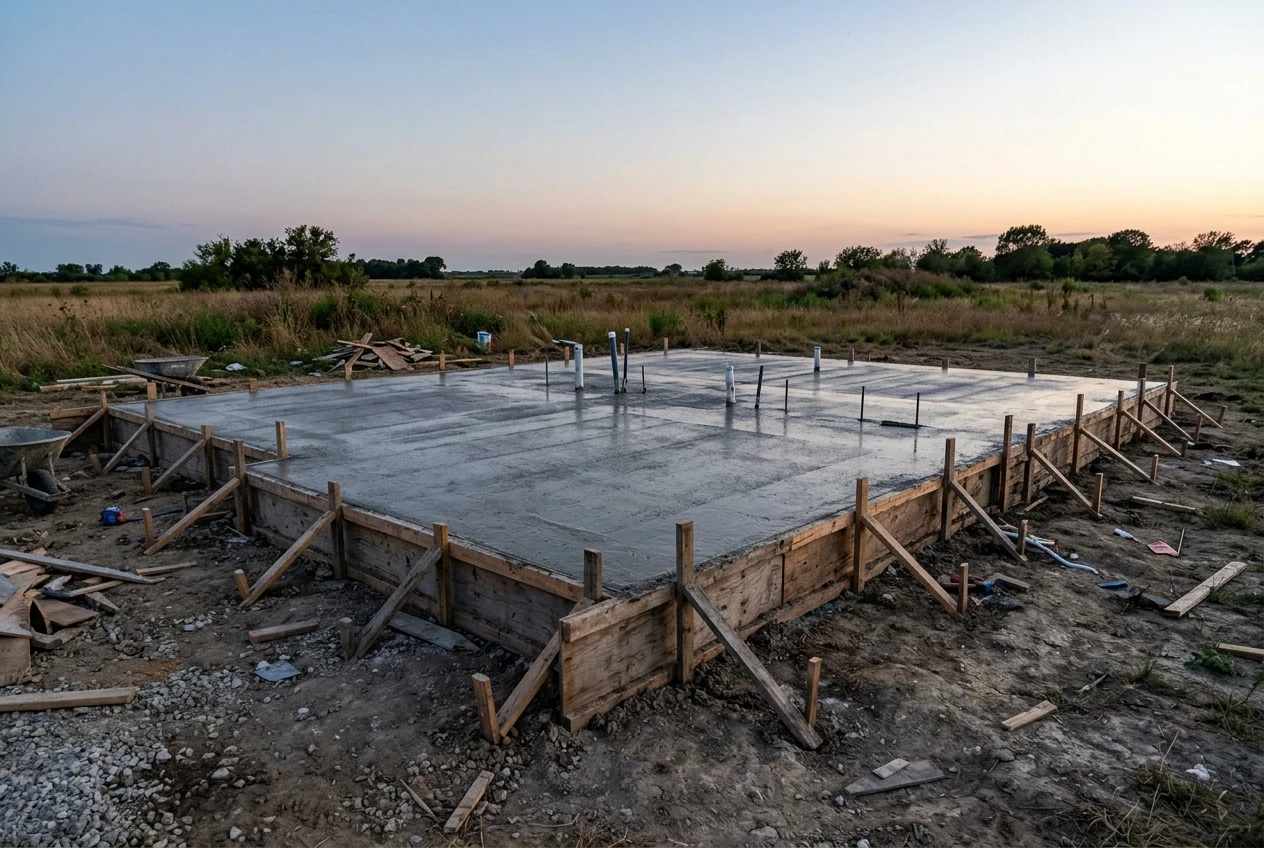
Nothing is wrong with a quiet week. The risk in these days is not failing a task, but deciding that no visible result means no progress and drifting away from the platform. Keep your short daily window and do the next task. The idea is explained at more length in the days nothing seems to happen are the days that build your business.
If a day goes missing, return the next day and take the next task. You do not have to make up the lost one.
Days 16 to 23: the first thing you build with your own hands
The anxious mind turns practical here: now I have to make something, and what if it is bad?
This is the part many people dread, and it is also the part that changes how you see yourself. By now you have enough groundwork to put something real in front of readers: a site, a first page, a first article. It will be yours, written about a subject you chose.

You do not have to produce it from nothing. Your Writer can draft an article from a brief, and your Artist can make images for it. Your job is to read the draft carefully, correct what is wrong, and make it sound like you. Writing in your own voice is a skill you will keep improving for as long as you publish, and how to publish more posts and still sound like you covers it.
Expect something to go wrong. A page may not display the way you intended, or a setting may not behave. That does not mean you are bad at this. A first site always has a few small faults, and your website will break in month one walks through the common ones and how to approach them calmly.
When you finish and publish your first piece, notice it. Three weeks ago you could not have named the parts of what you just made.
Days 24 to 30: looking back at a month you could not have predicted on Day 1
The anxious mind finally changes its question: is this enough? A month in, you start comparing your progress to numbers you have read about elsewhere.
Instead, look back at your own Day 1. At that point you did not know where anything was kept, you could not have said what a Hub does, and you had not published anything. Now you can move around the platform, you have asked questions and received answers, and something you made is live.

That is a real change in what you can do, and it is the one that makes the second month possible. Use these last days to do three useful things:
- Reread your first published piece and note what you would change, without rewriting it all.
- Write down which kinds of task you enjoyed and which you avoided. That tells you something about the work you will keep doing.
- Choose what you will do in your next daily window, so Day 31 starts with a decision already made.
If you publish and see no visitors, that is normal this early, and your first posts got zero views explains why and what to do about it. For readers who prefer a week-by-week outline of the same month, a week-by-week checklist for getting your site live lays it out.
If you reach Day 30 feeling behind, here is what that really means
Many people reach Day 30 and feel behind. Feeling behind needs a comparison, and the comparison is usually to a schedule that exists only in your head, or to someone else’s month, whose circumstances you cannot see.
Behind what? A first month does not have a finish line. Some people have more hours to give, and some take a week away for family or work. A month with fewer completed tasks than you hoped is still a month in which you showed up and learned something.
If you are behind your own plan, the fix is small. Look at the next task in your gameplan and do that one. You do not need to catch up on everything you missed, because the Guided Path picks up from wherever you are.
If you are behind in confidence, that usually follows a quiet stretch and passes once you finish something visible. The better test of how you are doing is whether you opened the platform this week.
Feeling behind is common at this point, and it says very little about whether you can do this. The people who go on to build something are mostly the ones who kept returning after feeling that way.
If you are ready to stop wondering and take your own Day 1, join Wealthy Affiliate through my link and start the Guided Path, with me alongside you as someone who has walked it before.